
Health Research & Education
Memory loss isn’t “normal”: closing Australia’s Alzheimer’s diagnosis gap
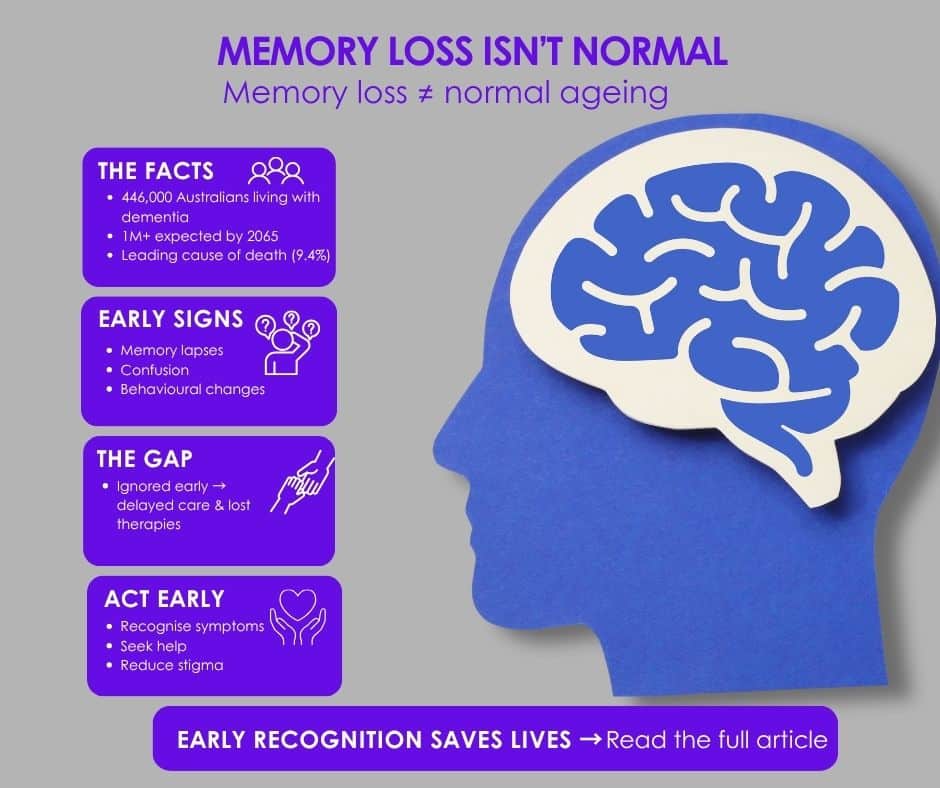
Australia is entering a new era of ageing. By 2026, life expectancy is projected to reach 84.3 years – among the highest worldwide. But longevity comes with urgency: dementia, including Alzheimer’s disease, is now Australia’s leading cause of death, accounting for 9.4% of all fatalities. More than 446,000 Australians are currently living with dementia –…
Read More1 billion seniors by 2050: driving innovation in Pharma, Medtech & Biotech across APAC

Asia-Pacific (APAC) is on the cusp of an unprecedented demographic shift. Currently, an estimated 503 million people aged 65 or over – around 60% of the world’s older population – live in the region. By 2050, that number is projected to approach one billion, presenting both enormous societal challenges and significant opportunities for healthcare innovation.…
Read MoreRare but rarely recognised: Accelerating diagnosis, access, & innovation for rare diseases in Australia & APAC
Two million Australians are living with a rare disease, yet diagnosis can take five-to-seven years. Across APAC, fragmented systems, limited awareness, and uneven access to therapies create both challenges and opportunities for pharma, biotech, and medtech innovators. This Rare Disease Day, it’s time to move from awareness to action, shortening diagnostic journeys, improving access, and…
Read MoreAPAC’s expanding tropical disease risk: Are pharma leaders passing the test?

Across the Asia-Pacific (APAC) region, tropical diseases – neglected tropical diseases (NTDs) and mosquito-borne viruses such as dengue fever, Japanese encephalitis (JE), chikungunya, and Zika virus – are spreading faster than ever, driven by climate change, urbanisation, and unprecedented population mobility. Yet even as outbreaks intensify, attention, preparedness, and sustained communication investment often peak during…
Read MoreMeningococcal disease moves fast – our vaccination strategy must move faster
Meningococcal disease is one of the fastest-moving infections in Australia. It can become fatal within hours.What begins as mild, flu-like symptoms can escalate within 24 to 48 hours into a life-threatening illness. Even with rapid treatment, up to one in ten patients will succumb to the disease. Those that survive often face life-changing complications, including…
Read More