Health Industry News
Memory loss isn’t “normal”: closing Australia’s Alzheimer’s diagnosis gap
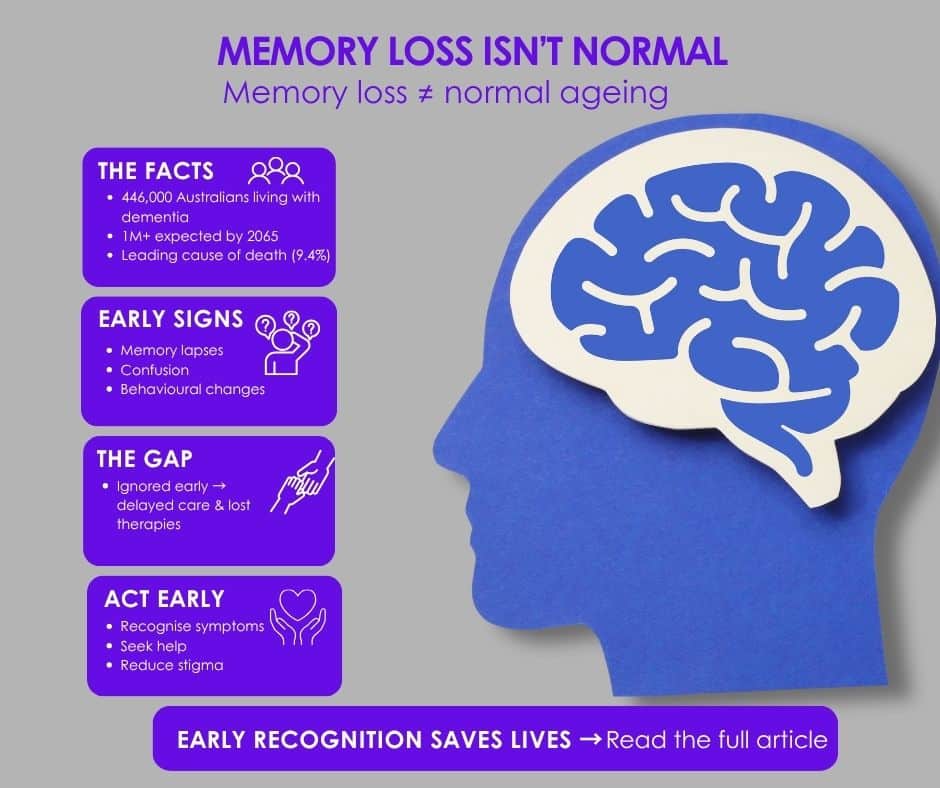
Australia is entering a new era of ageing. By 2026, life expectancy is projected to reach 84.3 years – among the highest worldwide. But longevity comes with urgency: dementia, including Alzheimer’s disease, is now Australia’s leading cause of death, accounting for 9.4% of all fatalities. More than 446,000 Australians are currently living with dementia –…
Read MoreThe VIVA! Communications Method – Part 1
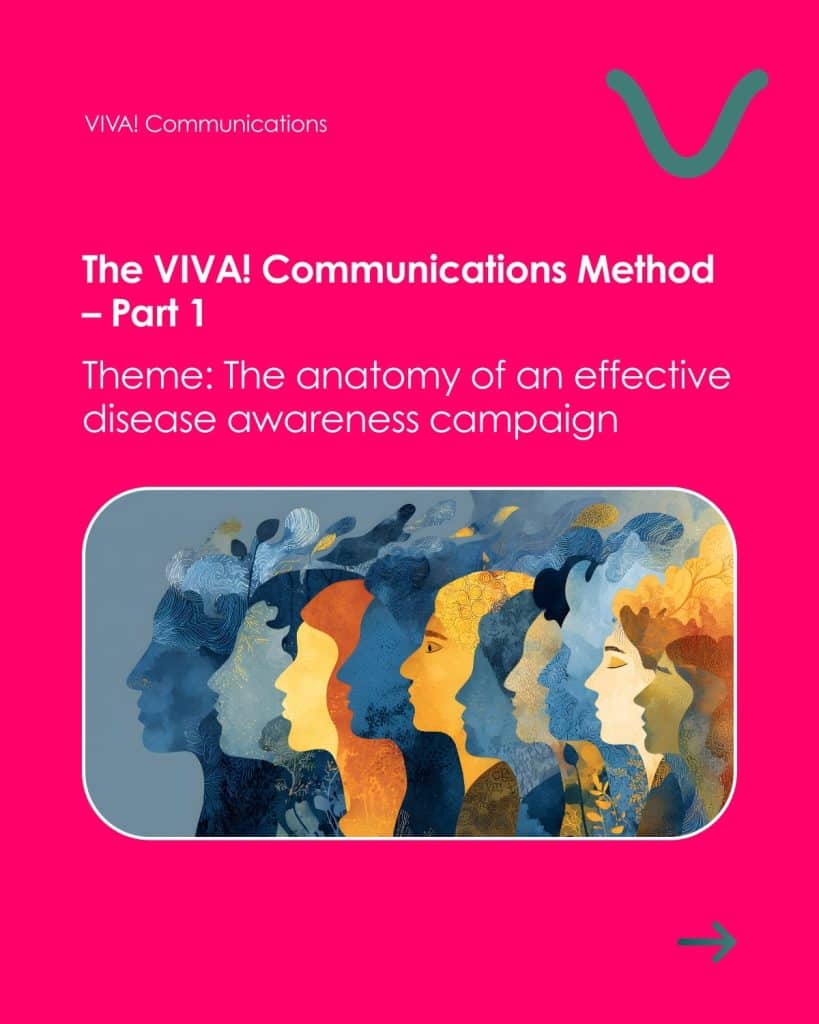
Theme: The anatomy of an effective disease awareness campaign Most disease awareness campaigns don’t change behaviour – The VIVA! Communications Method does Most disease awareness campaigns fail to change behaviour. Despite significant investment, patients still delay seeking care, conditions remain under-diagnosed, and stigma quietly persists. Awareness alone isn’t the problem. The challenge is how it’s…
Read MoreBeyond the seizure: rethinking epilepsy care from crisis response to risk prevention
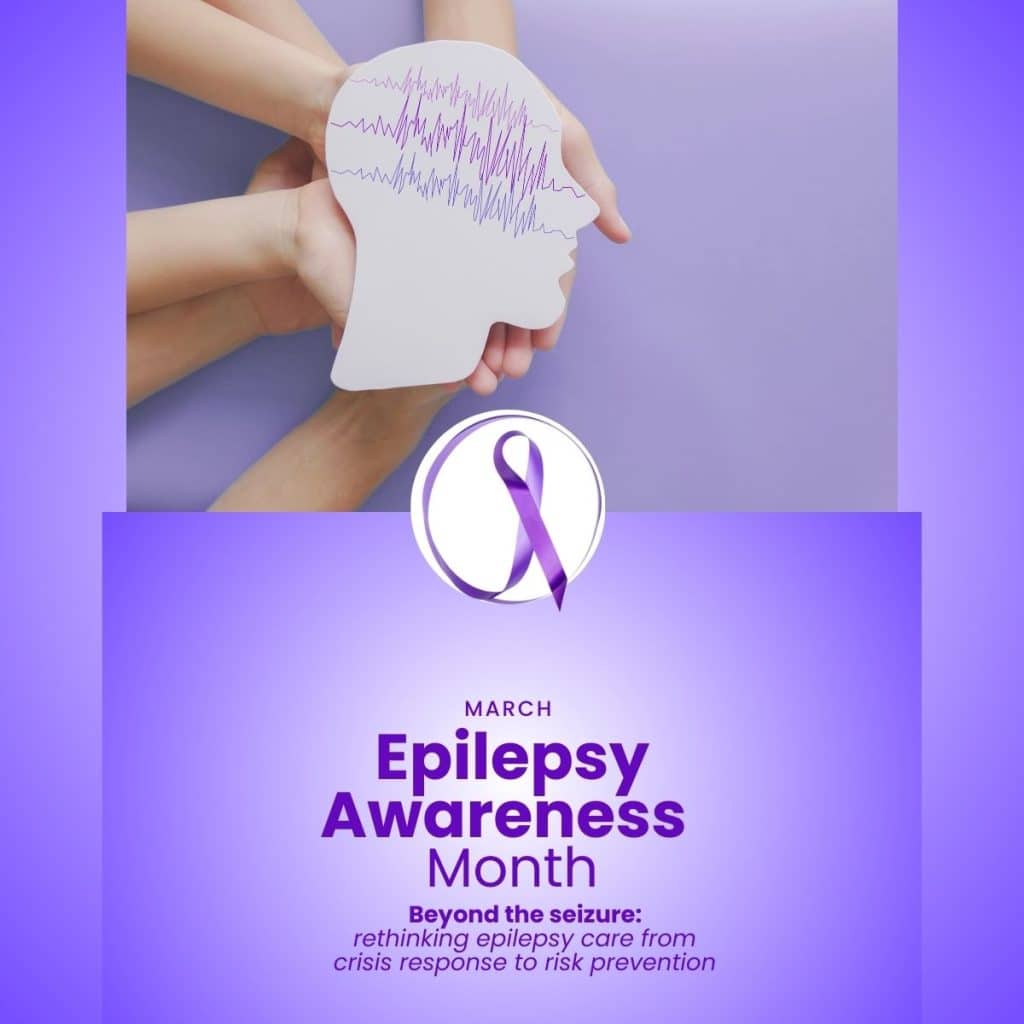
For most chronic diseases, prevention is central to the conversation. In epilepsy, however, the system still largely reacts. Across Australia, an estimated 266,000 people are living with epilepsy, yet public understanding of the disease often begins and ends with the visible seizure. In many cases, care pathways still form around acut e events –…
Read MoreRare but rarely recognised: Accelerating diagnosis, access, & innovation for rare diseases in Australia & APAC
Two million Australians are living with a rare disease, yet diagnosis can take five-to-seven years. Across APAC, fragmented systems, limited awareness, and uneven access to therapies create both challenges and opportunities for pharma, biotech, and medtech innovators. This Rare Disease Day, it’s time to move from awareness to action, shortening diagnostic journeys, improving access, and…
Read MoreShaping your brand in an AI-driven world
AI shapes perception – ensure it shapes yours In 2026, generative artificial intelligence (GenAI) AI is increasingly shaping your brand before anyone sees it. Large language models (LLMs) such as ChatGPT and Gemini are becoming the first stop for patients, clinicians, policymakers, and journalists. In healthcare, this means your story is summarised, interpreted, and presented…
Read More