Posts by VIVA! Communications
Memory loss isn’t “normal”: closing Australia’s Alzheimer’s diagnosis gap
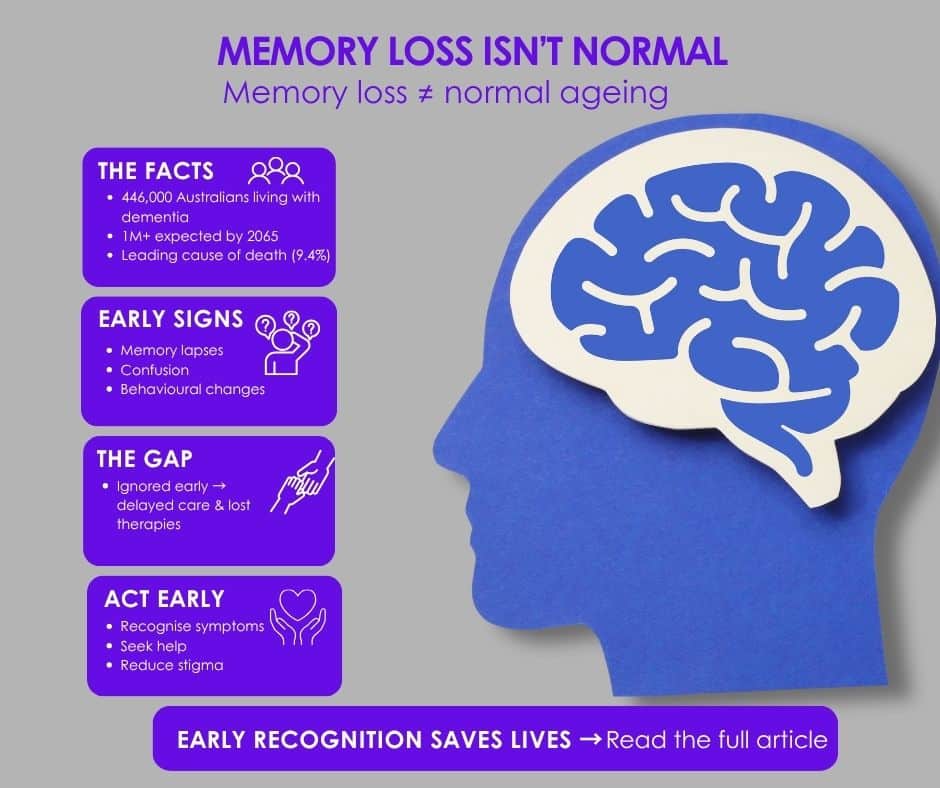
Australia is entering a new era of ageing. By 2026, life expectancy is projected to reach 84.3 years – among the highest worldwide. But longevity comes with urgency: dementia, including Alzheimer’s disease, is now Australia’s leading cause of death, accounting for 9.4% of all fatalities. More than 446,000 Australians are currently living with dementia –…
Read MoreThe VIVA! Communications Method – Part 1
Theme: The anatomy of an effective disease awareness campaign Most disease awareness campaigns don’t change behaviour – The VIVA! Communications Method does Most disease awareness campaigns fail to change behaviour. Despite significant investment, patients still delay seeking care, conditions remain under-diagnosed, and stigma quietly persists. Awareness alone isn’t the problem. The challenge is how it’s…
Read MoreBeyond the seizure: rethinking epilepsy care from crisis response to risk prevention
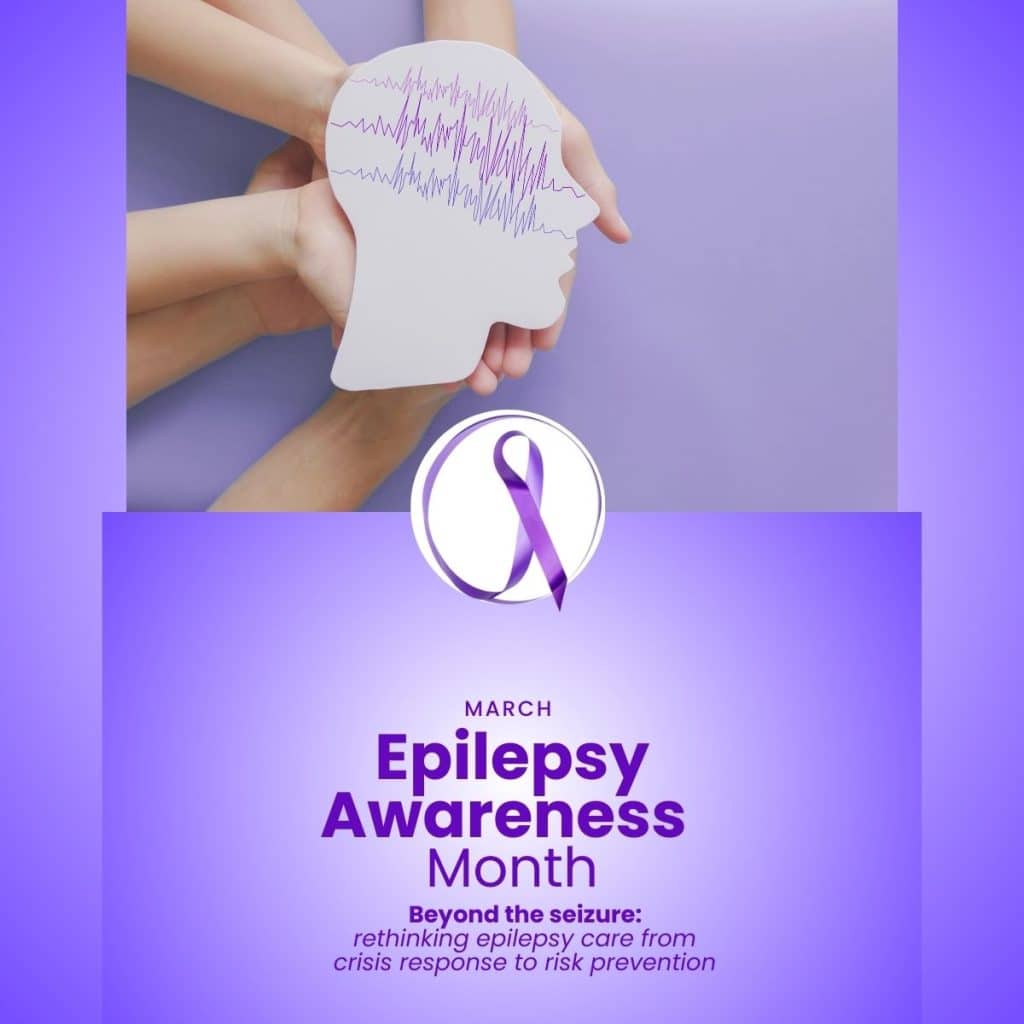
For most chronic diseases, prevention is central to the conversation. In epilepsy, however, the system still largely reacts. Across Australia, an estimated 266,000 people are living with epilepsy, yet public understanding of the disease often begins and ends with the visible seizure. In many cases, care pathways still form around acut e events –…
Read More1 billion seniors by 2050: driving innovation in Pharma, Medtech & Biotech across APAC
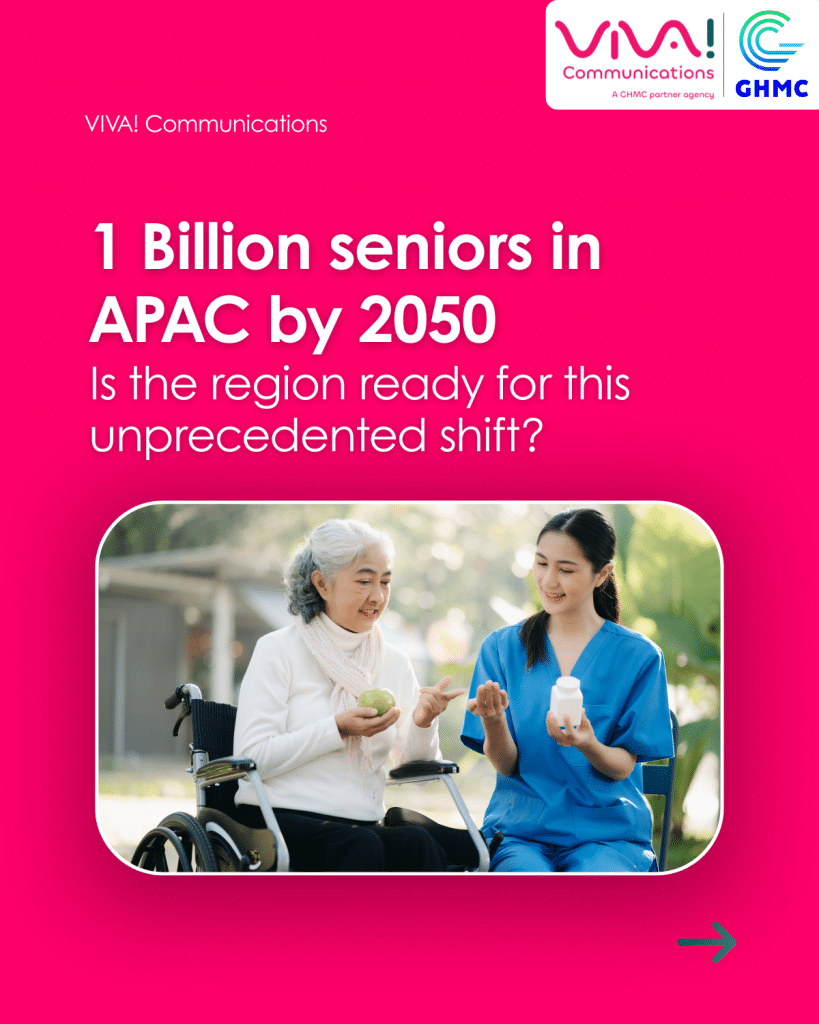
Asia-Pacific (APAC) is on the cusp of an unprecedented demographic shift. Currently, an estimated 503 million people aged 65 or over – around 60% of the world’s older population – live in the region. By 2050, that number is projected to approach one billion, presenting both enormous societal challenges and significant opportunities for healthcare innovation.…
Read MoreVisualising complex science for maximum impact
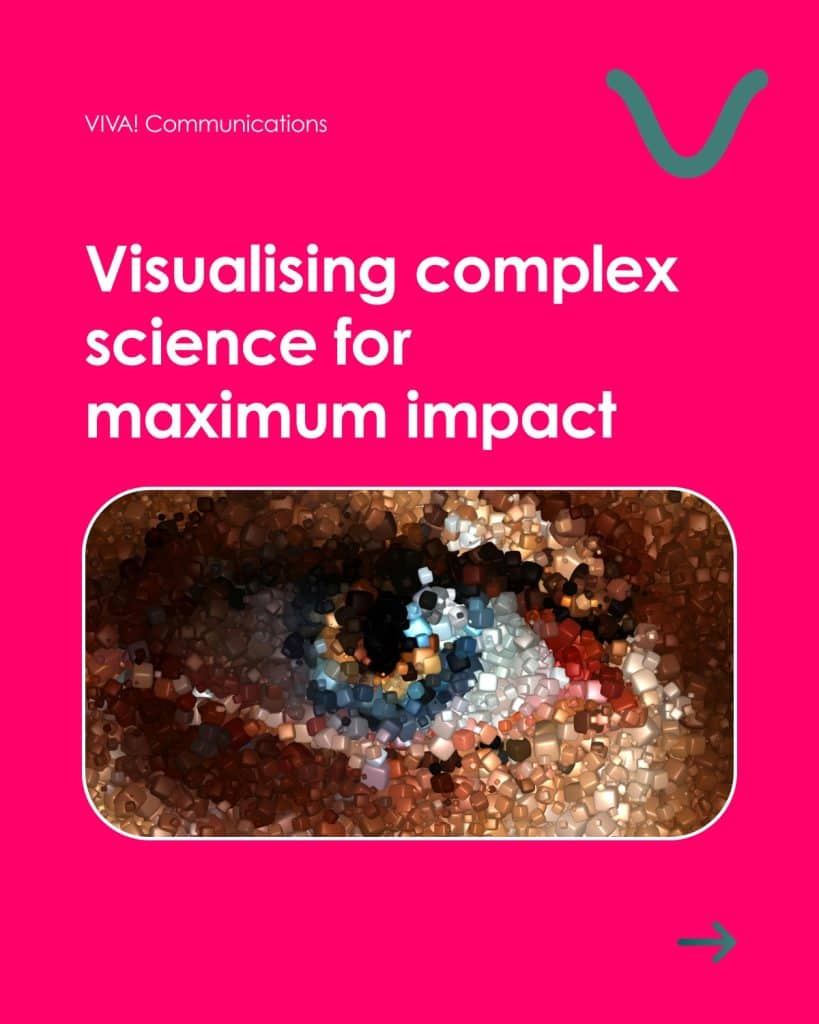
In healthcare communications, some of the most important messages are decided before a single word is read. Scientific evidence, regulatory nuance, and patient impact demand careful explanation. Yet audiences scan, interpret, and react visually first. Visual communication acts as a shortcut to clarity, allowing complex ideas to be understood quickly and intuitively. Unlike written language,…
Read More